
Choose a life without pain:
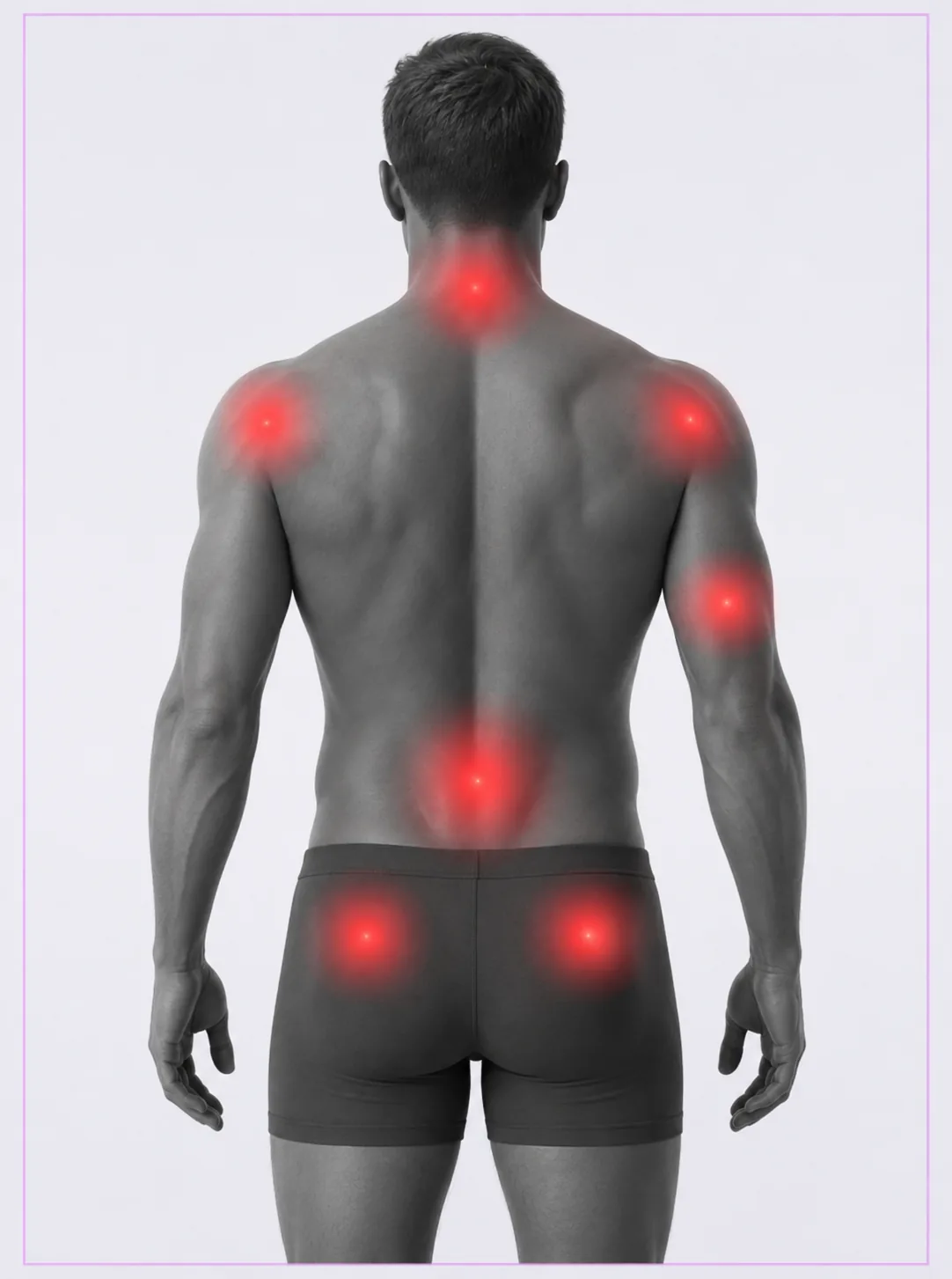
Lower back pain can show up as a dull, ongoing ache, a sharp pain, a burning or stabbing feeling, stiffness and limited movement. For some people the pain stays in the lower back, while for others it may radiate to the buttock or leg and come with numbness, tingling or a feeling of weakness.
Symptoms can appear suddenly after an effort, a lift or a particular movement, but they can also develop gradually.
Lower back pain is usually divided by how long the symptoms last:
In many cases of acute back pain things improve with time. When the pain does not improve, keeps coming back, gets worse or significantly affects movement and function, a professional assessment is recommended.
Lower back pain is not always caused by a single problem that can be seen on an X-ray or MRI. In fact, most cases are non-specific lower back pain, meaning the pain cannot be confidently linked to one disease or structural injury.
Factors and conditions that may be linked to lower back pain include:
Often several factors act together, so lower back pain treatment should start with an assessment of the symptoms, movement, function and the impact of the pain on daily life.
When pain from the lower back radiates to the buttock, thigh, calf or foot, a nerve root may be involved.
The pain can be sharp or burning and sometimes comes with numbness, tingling or weakness. When the sciatic nerve is involved, this is often called sciatica.
A herniated disc is one possible cause of pain radiating to the leg, but it is not the only one. That is why it is important to look at the full picture of symptoms and not assume that every pain radiating to the leg comes from a herniated disc.


A herniated disc is one of the conditions that can cause lower back pain, especially when a nerve is involved: pain radiating to the buttock or leg, numbness, tingling or weakness. However, not every lower back pain comes from a herniated disc, and not every bulge or herniation seen on imaging causes symptoms.
When disc involvement is suspected, the assessment combines the symptoms, a clinical examination and, if needed, imaging. All the information about bulging discs, protruding discs and treatment options is on the herniated disc treatment page.
Assessing lower back pain usually starts with questions and a clinical examination.
During the assessment we check, among other things, where the pain is, when it started, whether it radiates to the leg, which activities make it worse or better, whether there is numbness or weakness and how the pain affects walking, sitting, work and daily activity.
Based on the findings, we decide whether further tests are needed.
Do you need an MRI for lower back pain?
Not in every case.
When there are no warning signs, an MRI is usually not needed straight away.
Imaging is considered when there are symptoms or findings that justify further tests, when there is significant nerve involvement or when the results are likely to affect the next steps in treatment.
Even when an MRI shows findings, they should be read together with the symptoms and the clinical examination. Not every finding seen on imaging is necessarily the source of the pain.
Lower back pain treatment depends on the type of pain, how long it has lasted, the accompanying symptoms and how much it affects function.
There is no single treatment that suits everyone, so the treatment plan should be tailored to each patient’s condition and needs.
Staying active
In many cases it is recommended to stay as active as your condition allows and to return gradually to your usual activity.
Prolonged bed rest is usually not recommended. When the pain is strong, you can temporarily reduce the activities that make it worse and increase activity gradually as you improve.
Physiotherapy and exercise
Physiotherapy can be an important part of treating lower back pain.
Treatment can include an assessment of movement and function, tailored exercises, strengthening, manual therapy, guidance and gradual load management.
The goal is not only to reduce pain, but also to improve movement and function and allow a return to the activities the pain limits.
Medication and other treatments
In some cases medication can be used to relieve symptoms, according to medical advice and the patient’s condition.
In some situations further treatment options can be considered, depending on the diagnosis, the severity of the symptoms and the response to conservative treatment.
At Q-room, lower back pain treatment starts with a personal assessment to understand the nature of the pain, the movement limitations and how the pain affects daily function.
Based on the findings, a personal treatment plan is built that may combine physiotherapy, manual therapy, tailored exercise and therapeutic technologies as needed.
The goal is to help reduce pain, improve movement and function and allow a gradual return to activity.
Bio-adaptive electrotherapy as part of treatment
Bio-adaptive electrotherapy is one of the tools we can use at Q-room as part of the treatment plan, when it suits the patient.
The device uses electrical stimulation through the skin as part of pain treatment. When pain relief is achieved, it can be built into a process that aims to improve movement and make exercise and activity more comfortable.
Not every patient responds to treatment in the same way, so the treatment plan is set according to the assessment and the response throughout the process.
High-intensity laser therapy
At Q-room high-intensity laser therapy can also be added, depending on the type of pain, the assessment findings and its suitability for the patient.
The technology is used as an additional tool within a wider treatment plan, and not as a replacement for medical assessment when there are signs that require further tests.
The goal is to match the combination of technologies and treatment to each patient’s condition and needs.
Before treatment begins, a thorough assessment is carried out that includes questions, a review of your medical history and a movement and function examination. The goal is to understand what causes the pain, identify limitations and build a personal treatment plan for your condition.
Based on the assessment findings, treatment begins that is matched to the source of the pain and your functional condition. Treatment may combine physiotherapy techniques, manual therapy, tailored exercise and advanced technologies to reduce pain and improve movement and function.
As treatment progresses, the focus moves to strengthening, improving movement and a gradual return to activity. You will also get exercises and instructions to continue at home, to keep the improvement and reduce the risk of the pain coming back.
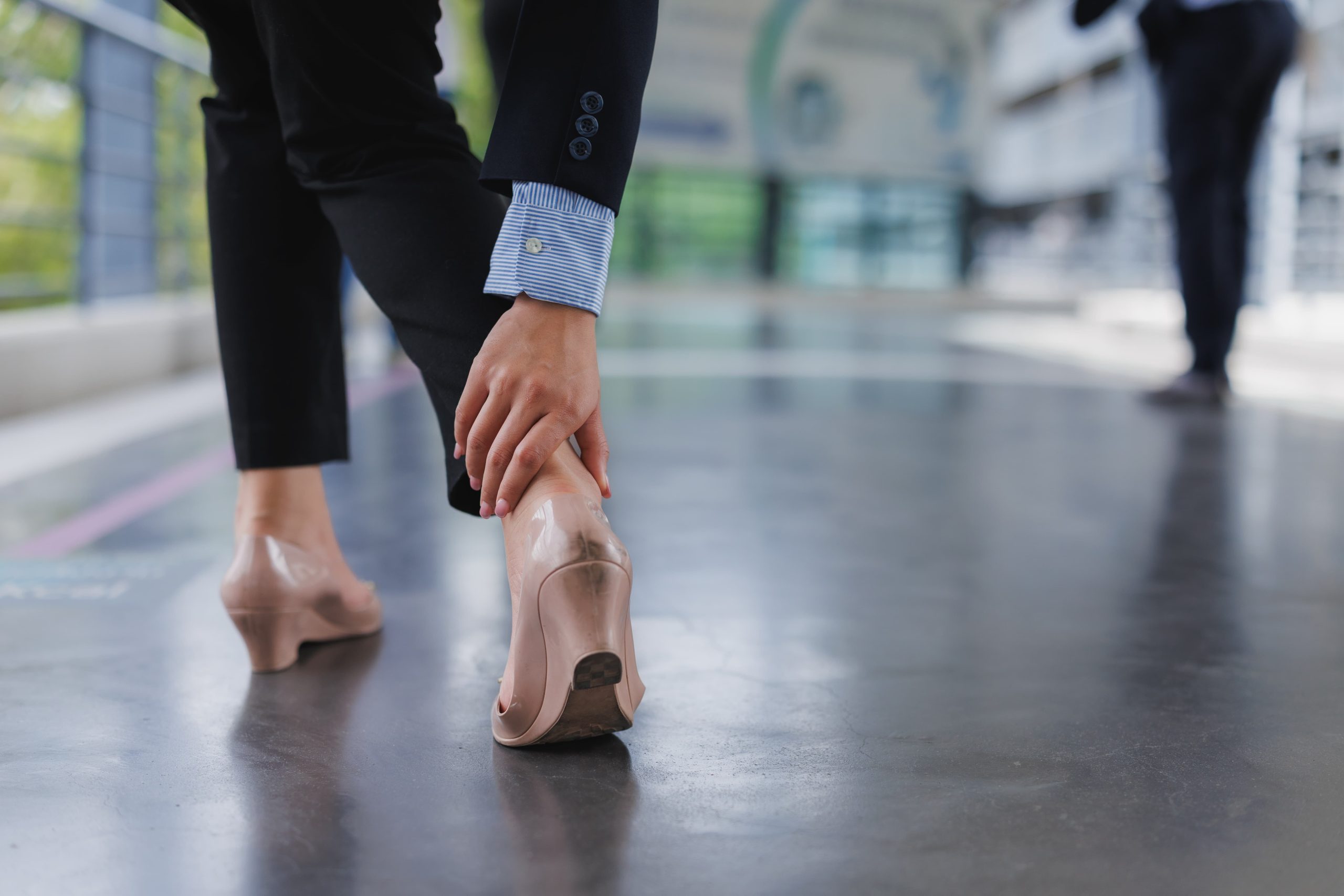
The leading solution for the sharp pain of the first steps in the morning (over 85% success).

A much shorter recovery time and restored flexibility for the thickest tendon in the body.

Breaks down the calcium deposits that limit lifting the arm and frees up the range of motion.

Targeted treatment of the muscle attachment points at the elbow for fast pain relief

Reduces swelling in the tendon sheath and restores smooth finger movement without catching
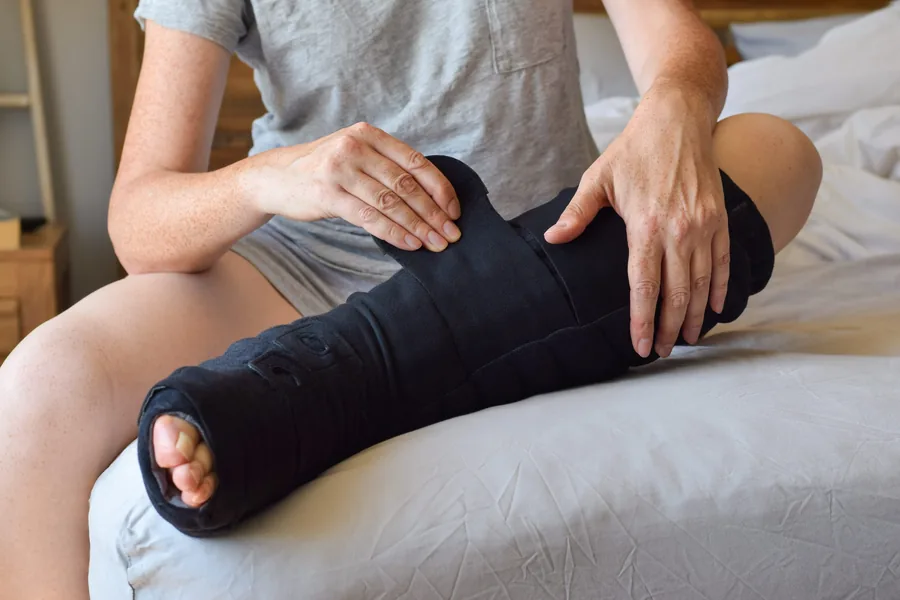
Stimulates bone cells (osteoblasts) to build a new bone bridge in complex cases
Treatment that starts with understanding the source of the pain
Lower back pain can have different causes and affect each person differently. That is why at Q-room treatment starts with a personal assessment to understand the source of the pain, the limitations it creates and your specific needs.
A personal treatment plan, not one solution for everyone
Based on the findings, a treatment plan is built that combines physiotherapy, manual therapy, tailored exercise and advanced technologies as needed. The goal is not only to reduce pain, but to improve movement and function and allow a gradual, safe return to routine.
Professional support along the way
Treatment does not end at the clinic. Throughout the process you will get guidance, exercises and tools to help you keep your progress, strengthen your body and reduce the risk of the pain coming back as much as possible.
In many cases chronic pain does not come only from the painful area, but from a combination of factors that affect how the body works. That is why effective treatment starts with a professional assessment and an understanding of the source of the problem, not only with reducing the pain itself.
At Q-room every patient has a thorough assessment, including movement, the location of the pain and the factors that affect it. Based on the findings, a personal treatment plan is built to match the medical condition and the rehabilitation goals.
Combining clinical experience, advanced technologies and professional support lets us tailor treatment precisely to each patient, while monitoring progress and adjusting the plan as needed.
Our goal is not only to reduce pain, but to improve function, strengthen the affected area and allow a safe, gradual return to daily life.
At Q-room we believe precise treatment starts with the right assessment, continues with a personalised treatment plan and supports the patient throughout the rehabilitation process.
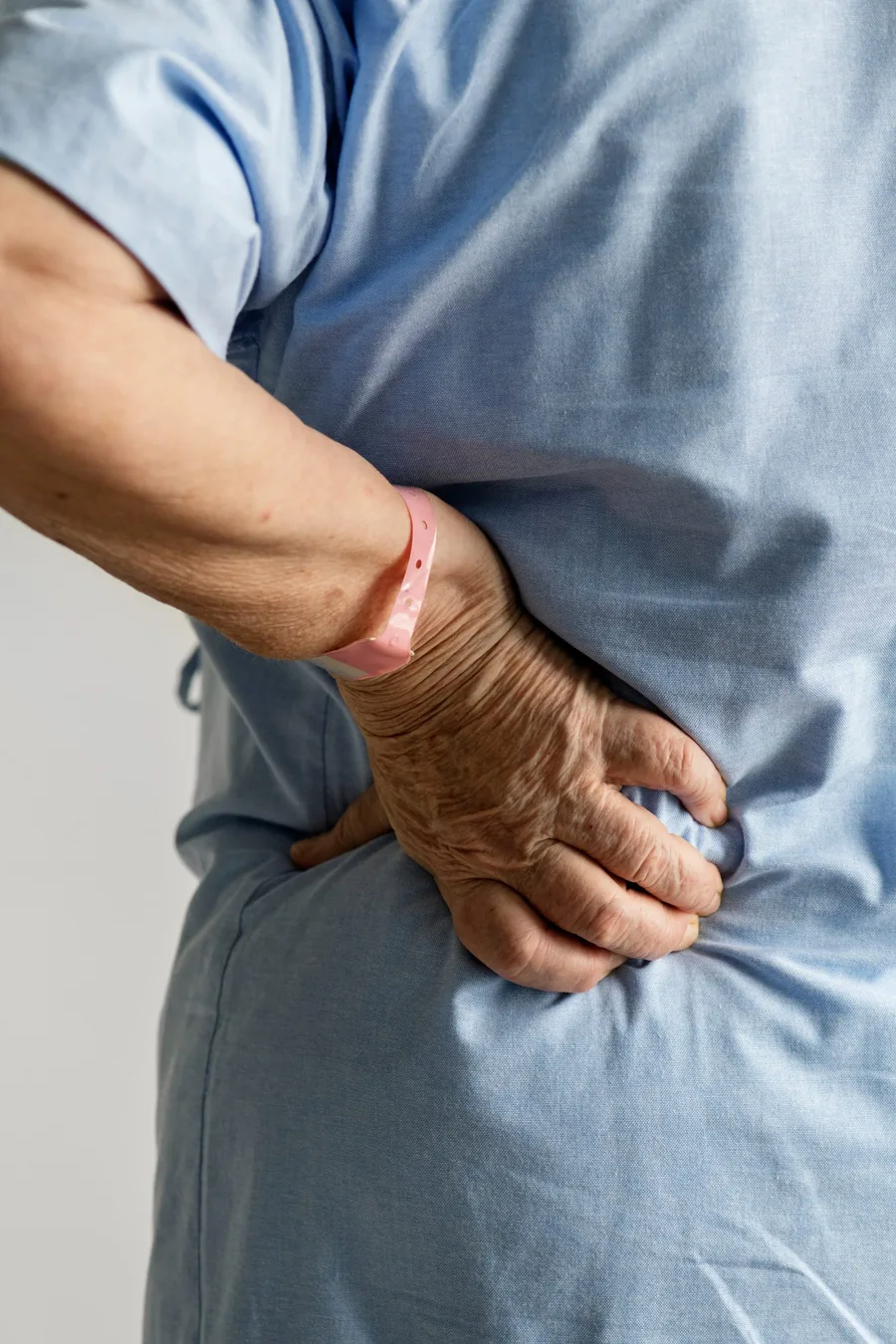
A short rest can help when the pain is strong, but staying in bed for a long time is usually not recommended. In many cases it is better to keep moving and doing activities you can do without a significant flare-up, and to return gradually to your usual activity.
Not necessarily. Pain radiating from the back to the buttock or leg can be linked to irritation of or pressure on a nerve root, and a herniated disc is one possible cause. However, there are other causes of radiating pain, so the diagnosis is not made from the radiating pain alone.
No. In most cases of lower back pain without warning signs, an MRI is not needed straight away. Imaging is considered when there are symptoms or findings that require further tests and when the results are likely to affect the next steps in treatment.
How long the pain lasts varies from person to person. Pain that lasts less than 6 weeks is usually called acute, between 6 and 12 weeks subacute, and over 12 weeks chronic. Acute pain often improves with time, but ongoing or worsening pain justifies a professional assessment.
In many cases, yes. Physical activity and tailored exercise can be part of lower back pain treatment. The type of activity and the load should suit your condition, and if there is a significant flare-up, weakness, numbness or new nerve symptoms, a professional assessment is recommended.
No. Bulges and disc changes are also found in people without back pain. So a bulging disc on an MRI does not prove on its own that it is the source of the pain, and it should be read together with the symptoms and the clinical examination.
For some people prolonged sitting can make the symptoms worse. Changing position, taking movement breaks during the day and tailored exercise may help. However, lower back pain usually does not come from a single cause.
Seek urgent medical assessment when back pain comes with a new change in bladder or bowel control, loss of sensation in the groin area, significant or progressive weakness in the legs or other symptoms that suggest a serious medical condition.

Online
Chat with us on WhatsApp now
Q-ROOM – advanced technology for pain treatment
Online
Chat with us on WhatsApp now
Q-ROOM – advanced technology for pain treatment