
Choose a life without pain:
“Frozen shoulder” is the clinical term for a condition in which movement of the shoulder joint is limited, both actively and passively, without a known cause for the limitation. It does not refer to limitation due to pain from shoulder arthritis, a fracture, a dislocated shoulder, neuromuscular disease, a torn tendon, a calcified tendon causing inflammation and so on.
It involves stiffness and pain in the shoulder joint that severely limit movement. The condition develops in stages: the first stage includes severe pain and limited shoulder movement, then movement decreases because of the pain, and finally the shoulder becomes very stiff and limited. Other symptoms can include pain that gets worse at night or during physical activity. The syndrome affects 2%-5% of the healthy population and 10%-35% of people with diabetes.
In fact, the medical literature does not use one standard term for frozen shoulder. It includes definitions such as adhesive capsulitis, inflammation around the shoulder joint, stiff shoulder, or shoulder stiffness after an injury. In addition, frozen shoulder overlaps with other conditions, which makes an accurate diagnosis even harder.
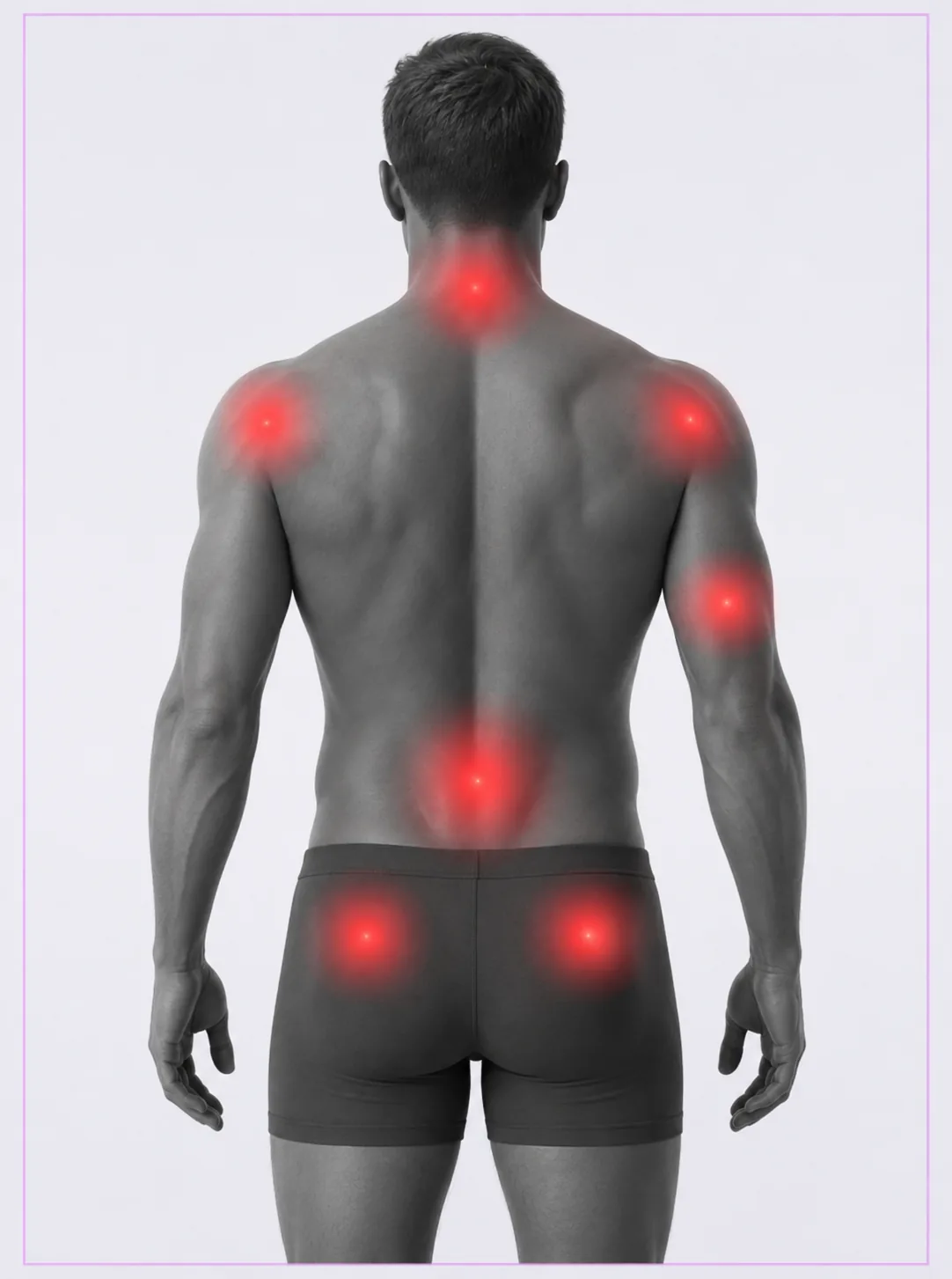
Frozen shoulder happens when the capsule surrounding the shoulder joint becomes inflamed, thickens and limits arm movement. Common symptoms are ongoing shoulder pain and difficulty with everyday tasks such as getting dressed or lifting things.
Causes include injury and trauma, long periods without movement, diabetes (with a higher chance of long-term shoulder limitation in people using insulin for more than 10 years), middle age (it usually appears between the ages of 40 and 70), thyroid disorders, stiffness of the neck vertebrae, conditions inside the skull (such as half-body paralysis, bleeding and brain tumours), chest diseases (chronic bronchitis, emphysema, tuberculosis, lung cancer, ischaemic heart disease) and more.
The first examination is physical: the doctor checks the neck, trunk and upper limbs to rule out a problem in the cervical spine or in the sternoclavicular or acromioclavicular joints. The doctor will check how far the arm can be lifted, moved away from the body and rotated.
The best test for diagnosis is a CT scan with arthrography (injecting contrast into the shoulder joint) or an MRI with arthrography. An X-ray usually shows no problem in frozen shoulder.
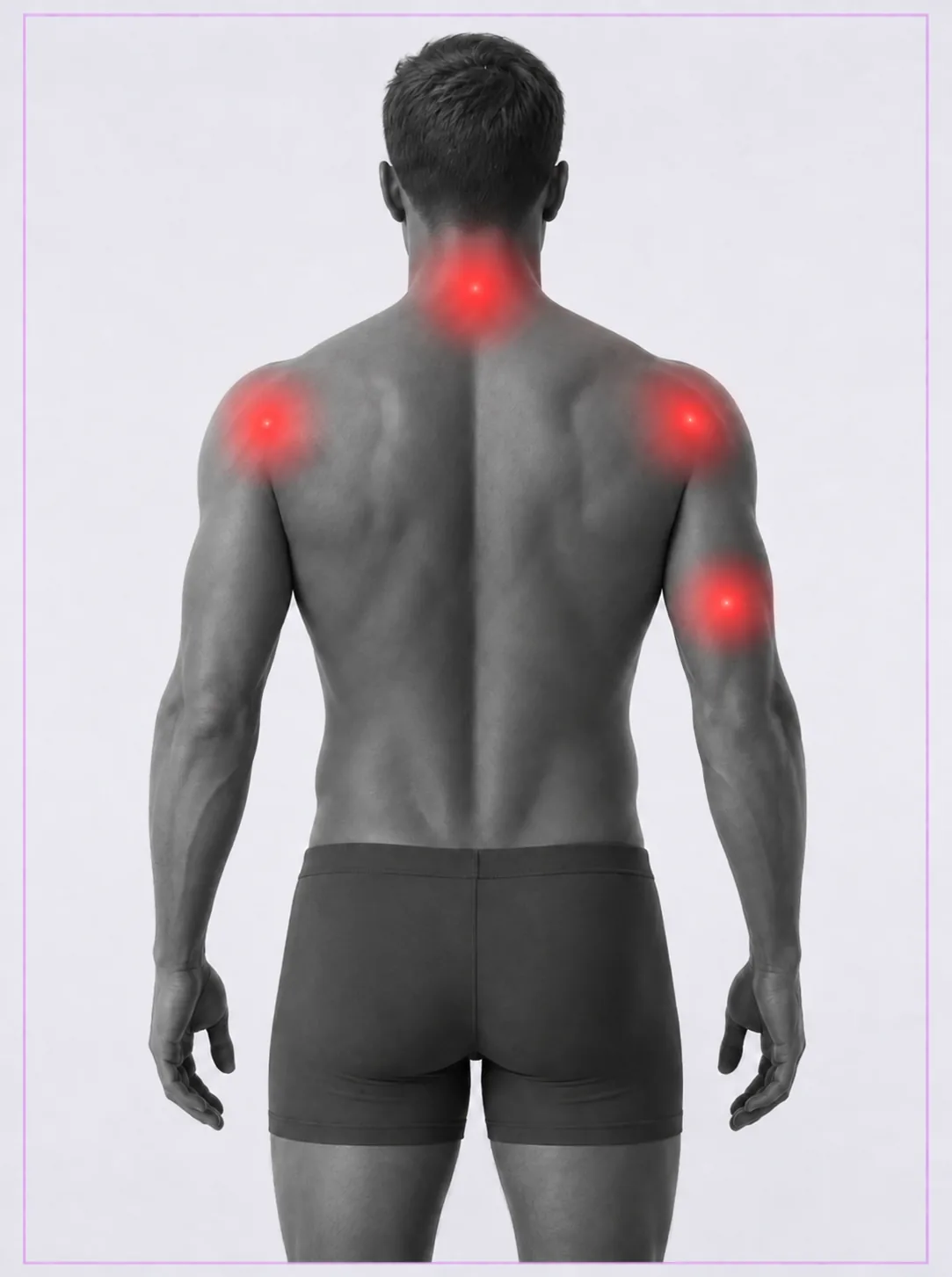
Treatment includes medication to relieve pain and rehabilitation of arm movement.
Physiotherapy: the most common treatment for frozen shoulder. The exercises are designed to stretch the joint capsule and improve range of motion. They include gentle stretching to reduce joint stiffness, strengthening exercises to support better arm movement, and regular physical activity for the best recovery.
Medication: over-the-counter painkillers are used to reduce pain and inflammation. In more severe cases a doctor may recommend corticosteroid injections directly into the shoulder joint to relieve symptoms.
Heat and cold: warm compresses help relax the muscles, and cold compresses help reduce inflammation.
Capsule distension: a minimally invasive procedure in which sterile fluid is injected into the shoulder joint to stretch the capsule. This method is often used when other treatments have not helped.
Surgery: rarely, in severe cases, surgery is needed. Manipulation under anaesthesia moves the shoulder to break the adhesions in the joint. In arthroscopic surgery, scar tissue and parts of the capsule that block arm movement are removed.
To prevent frozen shoulder from coming back, keep an active lifestyle and, of course, treat shoulder injuries straight away. People with chronic conditions such as diabetes should manage their blood sugar levels carefully to reduce the risk.
Although it sometimes takes many months to resolve frozen shoulder, consistent treatment and early intervention greatly improve the results and allow most patients to return to full function and full arm mobility, and with it their quality of life.
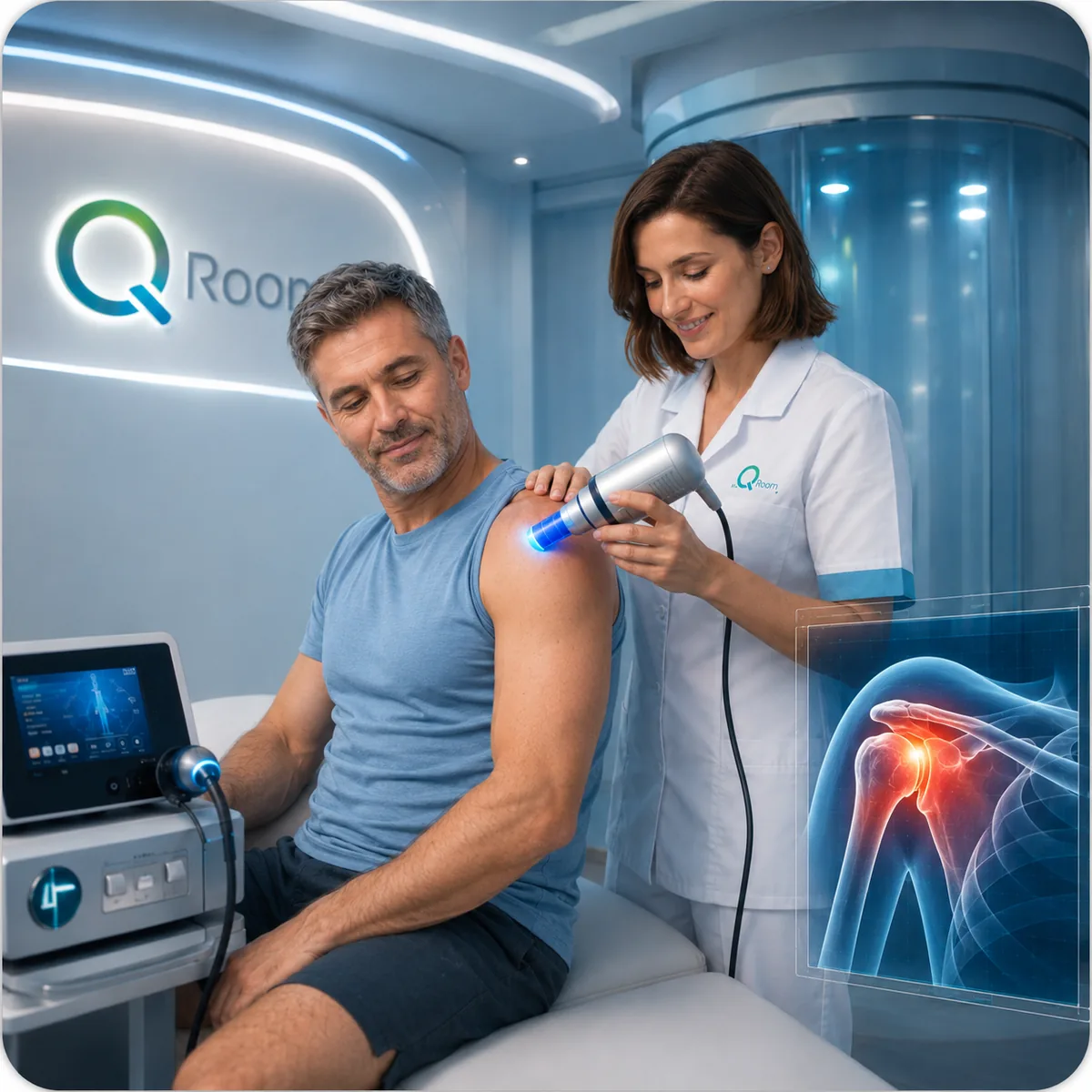
Bio-adaptive electrotherapy at Q-room works in several ways that can improve range of motion and speed up recovery:
The treatment protocol, developed with teams in Australia and Germany, helps regulate and balance the nervous system. As a result, treatment at Q-room can help reduce pain and relieve other symptoms related to frozen shoulder.
Before treatment begins, we carry out a thorough assessment that includes questions, testing the shoulder’s range of motion and evaluating the level of pain and limitation. The goal is to understand which stage the frozen shoulder is in and to tailor the treatment to your condition.
Based on the assessment findings, we start treatment matched to the condition of your shoulder, with the aim of reducing pain and stiffness and gradually improving movement. Treatment combines the tools and technologies that suit your condition and the stage of the frozen shoulder.
As the process continues, the goal is to gradually restore range of motion and allow freer, more comfortable use of the arm and shoulder. Depending on your progress, you will also get instructions and exercises to keep the improvement and get back to daily activities.

The leading solution for the sharp pain of the first steps in the morning (over 85% success).

A much shorter recovery time and restored flexibility for the thickest tendon in the body.

Breaks down the calcium deposits that limit lifting the arm and frees up the range of motion.

Targeted treatment of the muscle attachment points at the elbow for fast pain relief

Reduces swelling in the tendon sheath and restores smooth finger movement without catching
Stimulates bone cells (osteoblasts) to build a new bone bridge in complex cases

Frozen shoulder does not look the same in everyone. The level of pain, the degree of stiffness and the range of motion can vary from person to person and according to the stage of the condition. That is why at Q-room the process starts with a personal assessment to understand the limitation, your level of function and how the problem affects your daily life.
Based on the findings, a personal treatment plan is built, with the treatment adjusted to the condition of the shoulder and to your progress along the way. The goal is to work gradually to reduce pain and stiffness, improve range of motion and allow more comfortable, free use of the shoulder and arm.
The goal of frozen shoulder treatment is not only to reduce pain. We want to help you get back to the things that became hard: lifting your arm, getting dressed, reaching a high shelf, sleeping comfortably and doing daily tasks with fewer limits.
Change in frozen shoulder can be gradual, so it is important to monitor progress and adjust the process according to your response to treatment. Along the way we check pain, range of motion and function, and adjust the rest of the treatment and exercises accordingly.
Frozen shoulder can turn simple actions into hard ones. Lifting your arm, getting dressed, putting on a seat belt, reaching a high shelf or even finding a comfortable position to sleep – things you used to do without thinking can come with pain and limitation.
At Q-room treatment starts with understanding your personal situation: how limited your movement is, which actions cause pain and how your shoulder affects your daily function. The treatment process is then adjusted to the condition of your shoulder and the stage you are in.
The goal is to work gradually on reducing pain and stiffness, improving range of motion and restoring free, comfortable use of your arm.
Throughout the process we track changes in range of motion and function and adjust the treatment according to your progress. Because in the end, the goal is not only less pain, but being able to use your shoulder with confidence and do the things that matter to you again.

Not necessarily. Frozen shoulder is often diagnosed mainly from the clinical history and range of motion tests. Imaging may be needed to rule out other shoulder problems, such as a tear, significant wear or another condition. So the need for an X-ray, ultrasound or MRI depends on the findings and the clinical suspicion.
One important difference is the type of movement limitation. In frozen shoulder there is usually limitation both when the person moves the arm themselves and when the examiner tries to move the shoulder for them. In some rotator cuff problems, on the other hand, active movement can be limited and painful while passive range of motion is relatively preserved. A professional assessment matters because the treatment may be different.
Not necessarily, and especially not when the shoulder is in a very painful stage. Treatment or exercise that is too aggressive can increase pain and make it harder to stick with the process. The intensity of exercise and the range of motion should match the condition of the shoulder, the level of pain and the stage you are in.
Night pain is common in frozen shoulder: lying on the painful side increases pressure on the inflamed capsule, and at night there is no movement to distract you from the pain. A supportive pillow under the arm and lying on your back or on the other side usually help.
An intra-articular corticosteroid injection may help some patients, mainly by relieving pain and improving function in the short term. Studies do not show a consistent long-term benefit, so the decision whether to have an injection should depend on the stage of the condition, the medical situation and medical judgement. An injection is sometimes combined with physiotherapy or movement therapy.
Yes. Frozen shoulder is more common in people with diabetes, and there is also a link to an underactive thyroid. When frozen shoulder appears without a clear cause, especially with risk factors or other symptoms, the doctor may consider further tests.
In most cases we start with a conservative approach that includes adjusting activity, treating the pain, exercise and physiotherapy as appropriate. If there is not enough improvement despite a period of suitable conservative treatment, further assessment and options such as capsule distension (hydrodilatation), manipulation under anaesthesia or arthroscopic capsular release can be considered. The decision is made by a doctor according to the severity of the limitation and the progress.
Yes. For some people frozen shoulder can later appear on the other side too, though not necessarily at the same time. So growing pain and stiffness in the other shoulder justify an early check, especially in people with risk factors such as diabetes.

Online
Chat with us on WhatsApp now
Q-ROOM – advanced technology for pain treatment
Online
Chat with us on WhatsApp now
Q-ROOM – advanced technology for pain treatment